
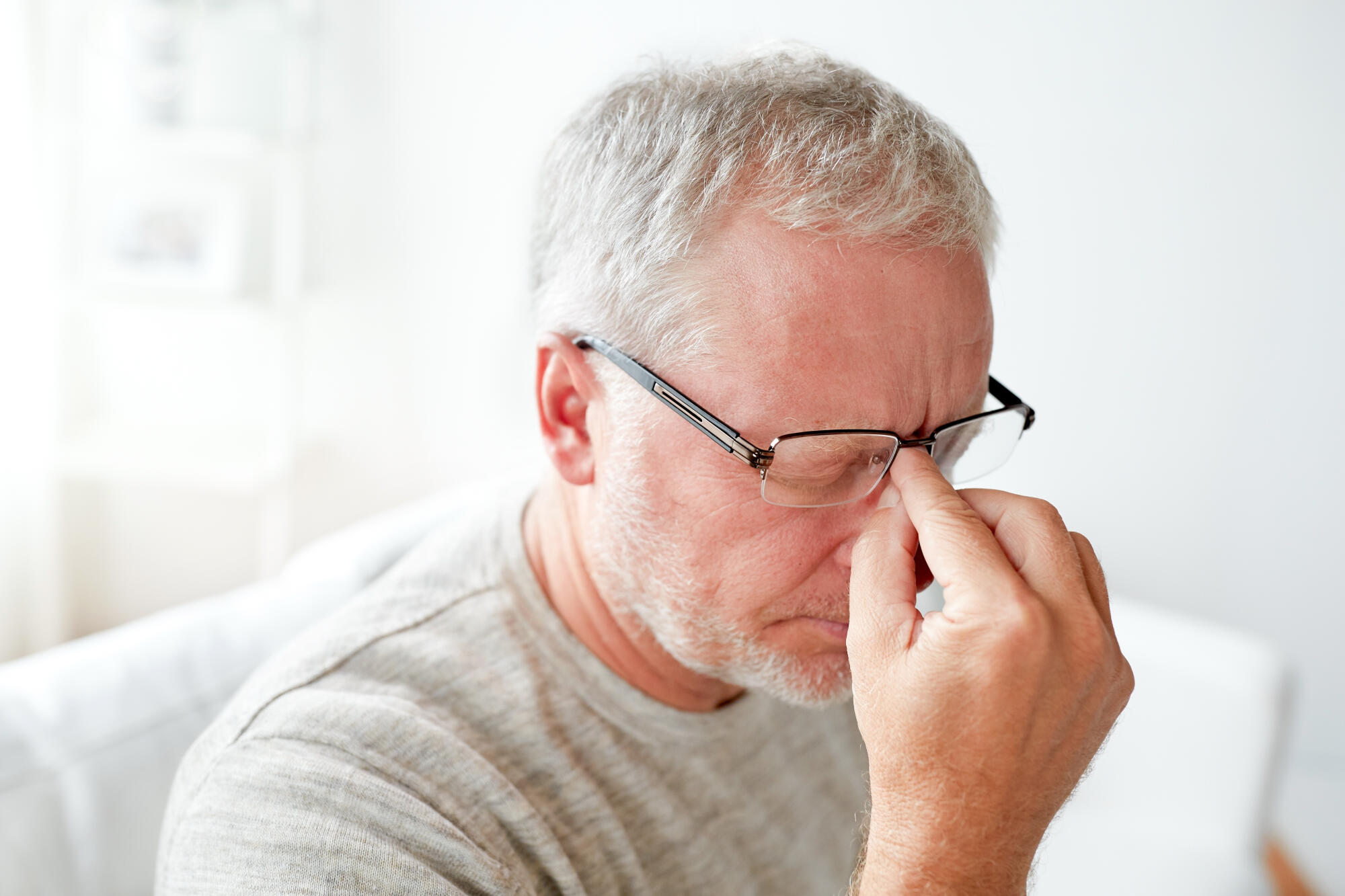
Compared to other age groups, seniors consistently rank the lowest in receiving mental health treatment. Only 19.4% of adults over the age of 65 have gotten treatment, and only 5.7% have gotten therapy, according to BetterHelp.
Wellness and awareness in general is strong among seniors, and yet there’s a stigma in aging about getting treated for depression, anxiety, and other issues. Instead of talking to a therapist, the elderly keep quiet and pretend that everything’s just dandy. In the meantime, their mental health issues only get worse.
Why is there a stigma around mental health for seniors? Let’s take a closer look at this complicated dilemma for seniors in New Orleans, LA.
Why Is There a Stigma Around Mental Health?
It’s important to note that seniors are not opposed to mental health care. In fact, an AARP study discovered that 95% believe it can make their life better. However, that same study said that 61% prefer to deal with their problems alone rather than get professional help.
Like all things in life, the reason why this stigma exists is multifaceted and complicated. The stigma has to do with a generational perspective on mental health, problematic senior coping strategies, and misunderstandings about senior health decline. Let’s examine each of these reasons in greater detail.
Older Generation’s Views on Mental Health
Back in the good old days, mental health issues were something that people kept under wraps. Admitting that you had depression was a surefire way to be ostracized and mocked by your peers. The view at the time was that blaming your problems on mental health was admitting to weakness instead of toughing it out.
Naturally, people were reticent to admit to having issues, even if they were very, very real. To be clear, this didn’t mean that people didn’t have mental health issues at the time. Rather, they learned how to mask them so their friends and family never suspected anything was wrong.
Seniors grew up in that sort of environment, assumed it was normal, and lived life accordingly. Even now in the modern age, when people are much more open about their mental health, seniors keep quiet. Therefore, breaking them out of that incorrect mindset can prove a lot more challenging.
Coping Mechanisms Over Treatment
Put yourself in the shoes of someone who grew up in a time when mental health issues were stigmatized into silence. Those issues would continue to rear their ugly heads regardless of what society thinks of them. To survive and live a somewhat normal life, seniors had to develop coping mechanisms.
Coping mechanisms can range from the benign, like building model train sets as a hobby, to the harmful, like drinking. In either case, the mechanism is not addressing the root source of the problem; it’s serving to alleviate some of the suffering mental health problems cause, instead.
We’re not trying to say that all coping mechanisms are bad and need to be gotten rid of. However, senior emotional care is going to nip the problem in the bud, where coping mechanisms only offer relief. Seniors must unlearn harmful coping mechanisms and adopt healthy mental health practices instead.
Poor Understanding of Physical Decline
It’s no secret that old age causes a decline in faculties and health. Seniors are lucky if they can maintain their independence and autonomy right up to the very end. Unfortunately, it’s this correct understanding of the situation that leads to an incorrect stigma in aging about senior mental health.
It’s true, going through issues like cancer or heart disease can cause depression where there was none. However, many seniors simply have mental health issues that they’ve suffered with for decades, untreated. They carry these issues into advanced age, and people falsely assume it’s the trials of advanced age that caused them.
Such a misunderstanding can cause problems in unexpected ways. Health care providers may take mental health issues less seriously, believing them to be par for the course. Friends and family members who have some say in a senior’s treatment could likewise downplay or disregard real issues.
Defeating the Stigma
Why is there a stigma around mental health with seniors? Now you know that it’s a generational problem combined with bad coping mechanisms and senior health myths. So, in the interest of behavioral support in seniors, how do we flip the script?
Education Is Best
Again, remember that seniors have been steeped in a culture of silence around mental health issues for decades. Huge scientific leaps have been made in recent years, and people are talking about it without shame. The only way to undo such a thing is to shout this new, better information from the rooftops.
Mental health education about the benefits of treatment is key for seniors. This can be formal education, like taking part in the Dimensions Wellness & Health Event. Or it can be informal, such as friends casually talking about the changes they’ve seen after talk therapy and medication.
Create Better Coping Mechanisms
As we’ve established, coping mechanisms are not the end goal, but they can be better. Helping a senior to acquire new mechanisms that don’t cause harm is a step in the right direction. Instead of drinking alone, they might take part in senior living community events that get them out in the open air with friendly people.
Developing healthy coping mechanisms can have an indirect effect on someone’s willingness to seek professional help. They’ll likely see how a change in their daily behaviors makes them happier. Such a realization drives them closer to understanding that it’s mental health treatment they need to properly address the issues for good.
Join a Senior Community in New Orleans, LA
Why is there a stigma around mental health with senior citizens? Seniors grew up in societies that were oppressive to mental health issues, forcing them to acquire unhealthy coping mechanisms, among other things. Educating them and switching up their coping mechanisms puts them on the right path.
SummerHouse Vista Shores in New Orleans, LA, is a community where seniors can obtain maximum mental wellness. We promote healthy coping mechanisms with our engaging activities and embrace mental health awareness. Schedule a tour with us today to see what we have to offer.